I almost lost my first eyelash viper to a respiratory infection.
I didn’t see it coming. One week she was eating normally, basking in her usual spot, doing everything right. The next week, I noticed her breathing with her mouth slightly open. Then I heard a faint wheeze when she exhaled. Then came the bubbles — tiny, clear bubbles at the edge of her mouth that made my stomach drop.
I called every vet in my area. Most of them said they didn’t treat venomous reptiles. The one who did was two hours away and had never worked with eyelash vipers specifically.
That was the scariest week of my keeping career.
She made it, by the way. With the right treatment and some aggressive husbandry changes, she pulled through. But that experience taught me something I’ll never forget: respiratory infections in eyelash vipers don’t just show up. They’re caused by something you’re doing wrong.
This guide covers everything I’ve learned since then about eyelash viper respiratory infections, dehydration, and scale rot — the three most common health issues that plague these snakes in captivity. The causes, the symptoms, the treatments, and the prevention.
What Causes an Eyelash Viper Respiratory Infection?
An eyelash viper respiratory infection (RI) is exactly what it sounds like — an infection of the respiratory system, usually bacterial, that affects the lungs and airways. In severe cases, it can be fatal.
But RIs don’t come from nowhere. They’re almost always caused by husbandry problems:
1. Humidity Too Low
This is the most common culprit. Eyelash vipers come from cloud forests where humidity stays between 80-100%. When they’re kept in dry conditions — even “normal” household humidity of 40-50% — their respiratory tissues become irritated and vulnerable to infection.
The Fix: Maintain 70-85% humidity at all times. Mist twice daily, use moisture-retentive substrate, and consider a misting system.
2. Humidity Too High Without Ventilation
Yes, it’s possible to overdo it. If your enclosure is sealed tight with no airflow and humidity is constantly at 100%, you’re creating a breeding ground for bacteria and mold. This can also trigger respiratory infections.
The Fix: Provide proper ventilation while maintaining humidity. A screen top or side vents will allow air exchange without dropping humidity too low.
3. Temperature Too Low
Cold snakes have suppressed immune systems. If your eyelash viper is kept too cold — especially at night — their body can’t fight off infections effectively.
The Fix: Maintain proper temperatures. Basking spot 82-85°F, ambient 72-80°F, night drop no lower than 68°F.
4. Stress
Chronic stress weakens the immune system. Common stressors include excessive handling, enclosure changes, visible predators, improper hiding spots, and poor husbandry in general.
The Fix: Provide a secure enclosure with plenty of cover. Minimize handling. Give your snake time to settle in after any changes.
5. Pre-Existing Illness
Sometimes an RI develops secondary to another health problem — dehydration, parasites, or a weakened immune system from poor nutrition.
The Fix: Address the underlying issue. Get a proper diagnosis from a vet who treats venomous reptiles.
Symptoms of Eyelash Viper Respiratory Infection
Knowing the signs of an eyelash viper respiratory infection can save your snake’s life. Here’s what to look for:
Early Signs (Act Quickly)
- Slight open-mouth breathing
- Occasional wheezing or clicking sounds
- Reduced appetite
- Lethargy (less active than usual)
- Spending more time near the basking spot
Advanced Signs (Emergency)
- Constant open-mouth breathing
- Bubbles or mucus around the mouth or nostrils
- Audible wheezing with every breath
- Head held elevated (trying to drain fluid)
- Complete refusal to eat
- Weight loss
- Dehydration (sunken eyes, wrinkled skin)
If you see any of these symptoms, don’t wait. An eyelash viper respiratory infection can progress quickly, and by the time symptoms are obvious, the snake is already in trouble.
What to Do If Your Eyelash Viper Has a Respiratory Infection
This is my step-by-step protocol for dealing with an eyelash viper respiratory infection:
Step 1: Don’t Panic
Panic leads to mistakes. Take a deep breath. Assess the situation calmly.
Step 2: Check Husbandry Immediately
Check your temperature and humidity readings. If anything is off, fix it right away. This is not the time to wait and see.
Step 3: Find a Vet Who Treats Venomous Reptiles
This is non-negotiable. An eyelash viper respiratory infection requires antibiotics, and only a vet can prescribe them. Start calling clinics in your area. Expand your search if needed.
Step 4: Prepare for Transport
If you need to take your snake to the vet, have a secure transport container ready. A locking plastic tub with ventilation holes works well. Make sure it’s escape-proof — you don’t want a sick, stressed viper loose in your car.
Step 5: Follow the Vet’s Instructions
If antibiotics are prescribed, follow the instructions exactly. Don’t skip doses. Don’t stop early. Complete the full course of treatment even if your snake seems better.
Step 6: Fix the Root Cause
The vet treats the infection. You treat the husbandry problem that caused it. If you don’t fix the environment, the infection will come back.
Eyelash Viper Dehydration: The Silent Killer
Dehydration is another common health issue in eyelash vipers, and it often goes hand-in-hand with respiratory infections. A dehydrated snake is a stressed snake, and stress suppresses the immune system.
Causes of Dehydration
- Humidity too low
- No access to clean water
- Excessive heat
- Underlying illness
- Prolonged refusal to eat (they get moisture from prey)
Symptoms of Dehydration
- Sunken eyes
- Wrinkled or sagging skin
- Sticky or dry mouth
- Difficulty shedding (stuck shed)
- Lethargy
- Reduced appetite
How to Fix Dehydration
Mild Dehydration:
- Increase humidity immediately
- Provide a water bowl large enough for soaking
- Mist more frequently
- Offer fresh water daily
Severe Dehydration:
- This requires a vet. They may administer fluids subcutaneously.
- Don’t try to force water into your snake’s mouth — you risk aspiration and stress.
Preventing Dehydration
Maintain proper humidity (70-85%), provide fresh water at all times, and monitor your snake for early signs. Prevention is always easier than treatment.
Eyelash Viper Scale Rot: What It Is and How to Treat It
Scale rot is another husbandry-related condition that affects eyelash vipers kept in overly damp, dirty conditions. It’s a bacterial infection of the scales and skin that can progress to serious tissue damage if untreated.
Causes of Scale Rot
- Substrate constantly wet (not just damp)
- Dirty enclosure with built-up waste
- Poor ventilation
- Humidity too high without airflow
- Sitting on wet surfaces for extended periods
Symptoms of Scale Rot
- Discolored scales (brown, red, or yellow patches)
- Blisters or raised scales
- Raw or weeping areas
- Scales that easily flake off
- Foul odor from the affected area
How to Treat Scale Rot
Mild Cases:
- Move the snake to a clean, dry enclosure
- Replace substrate with something dry (paper towels work temporarily)
- Apply a reptile-safe antiseptic (betadine solution diluted)
- Monitor closely for improvement
Severe Cases:
- This requires a vet. Severe scale rot can lead to septicemia and death.
- Don’t attempt to treat advanced infections at home.
Preventing Scale Rot
Keep the enclosure clean. Spot-clean waste daily. Replace substrate regularly. Make sure humidity is high but the substrate isn’t constantly soggy. Proper ventilation is key.
How I Prevent Health Issues in My Eyelash Vipers
After that first respiratory infection scare, I completely overhauled my husbandry. Here’s what I do now to keep my eyelash vipers healthy:
Daily Checks
- Visual inspection of the snake (from a distance)
- Check temperature and humidity readings
- Refill water bowl with fresh water
- Spot-clean any waste
- Look for any signs of abnormal behavior
Weekly Checks
- Deep clean water bowl
- Check substrate moisture levels
- Wipe down enclosure glass
- Inspect snake more closely (while doing maintenance)
Monthly Checks
- Full substrate change (or partial, depending on setup)
- Deep clean all décor
- Check all equipment (heating, misting, lighting)
- Weigh the snake if possible
Quarterly Checks
- Full enclosure inspection
- Replace any worn equipment
- Review husbandry parameters
- Schedule a vet check-up if possible
The key is consistency. Health issues in eyelash vipers don’t usually appear overnight — they develop over weeks of poor husbandry. Daily monitoring catches problems before they become emergencies.
When to Call the Vet vs When to Treat at Home
This is a question I get constantly, so let me break it down.
Treat at Home (Mild Cases)
- Slightly low humidity (fix with more misting)
- Minor stuck shed (soak in shallow water)
- Skipping one or two meals (monitor and wait)
- Minor dehydration (increase humidity and water access)
Call the Vet (Serious Cases)
- Any signs of respiratory infection (wheezing, bubbles, open-mouth breathing)
- Severe dehydration (sunken eyes, wrinkled skin, lethargy)
- Advanced scale rot (blisters, raw areas, foul odor)
- Regurgitation (could indicate blockage or infection)
- Unexplained weight loss
- Any injury or trauma
When in doubt, call the vet. It’s better to spend money on a vet visit and find out everything is fine than to wait too long and lose your snake.
The Importance of Starting with a Healthy Snake
One of the best ways to avoid health issues is to start with a healthy, captive bred eyelash viper. Wild-caught snakes come with a host of problems — parasites, stress, dehydration, and often pre-existing infections.
Captive bred eyelash vipers from reputable breeders are:
- Established on frozen-thawed prey
- Free of parasites
- Accustomed to captivity
- Healthier overall
- More predictable in temperament
Here’s what’s currently available at nightfallreptiles.com:
| Morph | Price | Health Status |
|---|---|---|
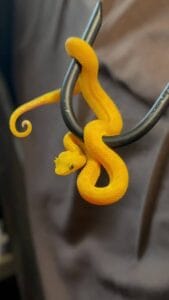
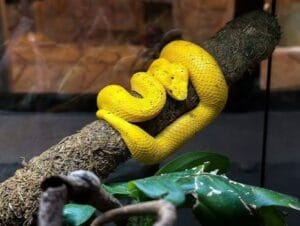
| Christmas Tree Eyelash Viper | $510 | Healthy, established, eating |
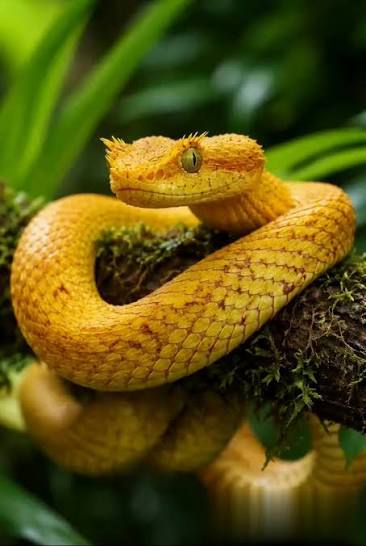
| Golden Eyelash Viper | $510 | Healthy, established, eating |
Both are captive bred, feeding consistently, and shipping nationwide to legal states.
Christmas Tree Eyelash Viper – $510 – Captive Bred – Nightfall Reptiles
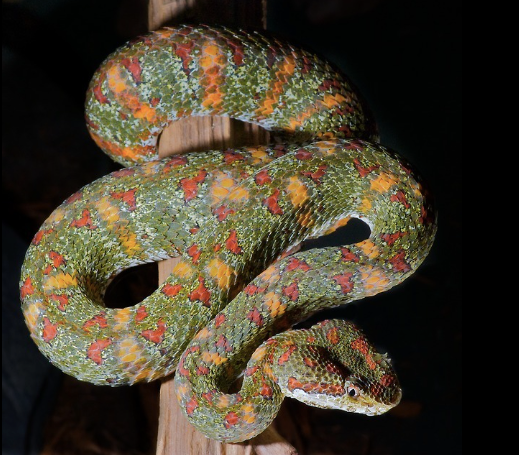
Christmas Tree Eyelash Viper For Sale
Bothriechis schlegeliiCaptive BredMale and Female AvailableApproximately 18 – 24 Inches In LengthAdults Will Grow To About 2 Feet In LengthFeeding On Frozen Thawed Or Live Adult Mice*These Are Venomous. Please Know Your State Laws Before Inquiring As Some States Require Venomous Permits*
100 in stock
Golden Eyelash Viper – $510 – Captive Bred – Nightfall Reptiles
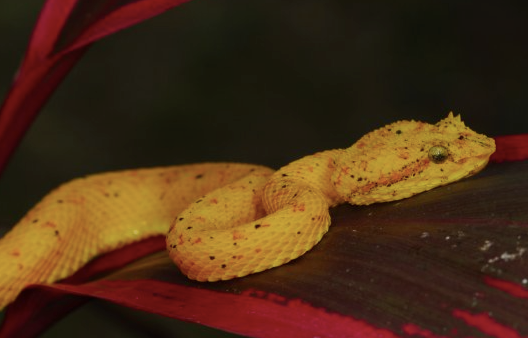
Golden Eyelash Viper For Sale
Bothriechis schlegeliiCaptive BredApproximately 18 – 24 Inches In LengthAdults Will Grow To About 2 Feet In LengthFeeding On Frozen Thawed Or Live Adult Mice*These Are Venomous. Please Know Your State Laws Before Inquiring As Some States Require Venomous Permits*
100 in stock
Starting with a healthy animal doesn’t guarantee you’ll never deal with health issues, but it stacks the deck in your favor.
My Eyelash Viper Respiratory Infection Story (Full Version)
I want to share the full story of that first respiratory infection, because it might help someone catch the signs earlier than I did.
It started with a subtle change in behavior. My female eyelash viper was spending more time near her basking spot than usual. I didn’t think much of it — she was just thermoregulating, right?
Then I noticed she wasn’t coiled as tightly as normal. Her body looked… loose. Like she didn’t have the energy to hold her usual compact coil.
The first real warning sign was the open-mouth breathing. She’d sit with her mouth slightly open, and every few breaths I could hear a faint clicking sound. It was so subtle that I almost convinced myself I was imagining it.
The bubbles came last. Tiny, clear bubbles at the corner of her mouth. That’s when I knew it was serious.
I called seven vets before I found one who would see her. The drive was two hours each way. The vet diagnosed a bacterial respiratory infection and prescribed injectable antibiotics. I had to give her injections every 48 hours for two weeks.
Injecting a venomous snake is terrifying. Even a sick one. Even with proper tools and technique. But I did it, and she recovered.
The total cost: over $400 in vet bills, two weeks of stress, and a snake that was touch-and-go for days.
The total cause: my humidity had been sitting at 55% for weeks because I’d gotten lazy with misting.
One husbandry mistake. That’s all it took.
Final Thoughts on Eyelash Viper Respiratory Infections and Health
If you take one thing from this guide, let it be this: prevention is everything.
Eyelash viper respiratory infections, dehydration, and scale rot are all preventable with proper husbandry. Consistent temperature, proper humidity, clean substrate, and regular monitoring will eliminate 95% of the health issues you’re likely to encounter.
But if something does go wrong — and sometimes it will, despite your best efforts — don’t hesitate. Find a vet who treats venomous reptiles. Fix your husbandry. And give your snake the best chance to recover.
I learned the hard way that cutting corners with eyelash viper care isn’t worth it. The stress, the vet bills, the guilt — none of it compares to the simple act of maintaining proper conditions in the first place.
Ready to add a healthy, captive bred eyelash viper to your collection?
Check out the Christmas Tree Eyelash Viper and Golden Eyelash Viper available now at nightfallreptiles.com. Both are healthy, established, and shipping nationwide.
Got questions about eyelash viper health or these specific animals? Drop a comment below or hit us up — I’m always down to help fellow keepers.
FAQs
What causes respiratory infections in eyelash vipers?
Eyelash viper respiratory infections are usually caused by low humidity, poor ventilation, improper temperatures, or chronic stress.
What are the signs of an eyelash viper respiratory infection?
Open-mouth breathing, wheezing or clicking sounds, bubbles around the mouth, lethargy, and reduced appetite are all signs of an eyelash viper respiratory infection.
Can I treat an eyelash viper respiratory infection at home?
No. Respiratory infections require antibiotics prescribed by a vet. Home remedies won’t cure a bacterial infection.
How do I prevent respiratory infections in eyelash vipers?
Maintain proper humidity (70-85%), provide adequate ventilation, keep temperatures in the correct range, and minimize stress.
What causes scale rot in eyelash vipers?
Scale rot is caused by constantly wet substrate, poor ventilation, and dirty enclosure conditions. It’s a bacterial infection of the scales.
How do I treat dehydration in my eyelash viper?
Mild dehydration can be treated by increasing humidity and providing fresh water. Severe dehydration requires veterinary intervention.
Are captive bred eyelash vipers healthier than wild caught?
Yes. Captive bred eyelash vipers are free of parasites, established on frozen-thawed prey, and generally healthier overall.
Disclaimer: This article is based on my personal experience with eyelash viper respiratory infections and health issues. It is not a substitute for professional veterinary advice. Always consult a qualified reptile veterinarian for health concerns. Venomous snake keeping is regulated in many areas — check your local laws before purchasing.