WARNING: Uromastyx are protected under CITES Appendix II. Many countries and states require permits for import, export, or ownership. Some jurisdictions ban them entirely. Do not purchase any Uromastyx without verifying your local and federal laws first. This article is not legal advice. This is not veterinary or medical advice. If you or your animal is in crisis, contact the appropriate professional immediately.
The first time I bought a captive bred Uromastyx for sale, I almost didn’t.
I had the enclosure set up. The basking light was dialed in. The substrate was deep enough for burrowing. Everything was ready. But I kept staring at the listing, wondering if I was about to make a $400 mistake.
That was six years ago. Since then, I’ve kept and worked with multiple Uromastyx species — ornate, geyri, Egyptian, and a few others. I’ve made mistakes. I’ve learned from them. And I’ve watched too many keepers buy wild-caught imports because they didn’t know the difference.
If you’re looking for captive bred Uromastyx for sale, this guide covers everything I wish I’d known. The species, the setup, the costs, the legal side, and the mistakes that can cost you an animal — or a lot of money.
Why Captive Bred Uromastyx Are Worth the Premium
Let me be clear about something: captive bred Uromastyx are not the same as wild-caught imports. Not even close.
Wild-caught Uromastyx are pulled from North Africa, the Middle East, and parts of Asia. They go through stressful collection, holding, shipping, and importation. Many arrive dehydrated, parasitized, and terrified. A significant percentage die within the first few months, even in experienced hands.
Captive bred animals are different. They’re born in enclosures. They’re used to human presence. They eat what you offer them because they’ve never known anything else. They’re not carrying the parasite load of a wild animal. And they’re generally healthier from day one.
Here’s what experienced keepers know: you don’t save money buying wild-caught. You just pay for the animal now and pay for the vet bills later. Sometimes you pay with the animal’s life.
Captive bred Uromastyx are worth the premium because you’re not buying a lizard. You’re buying a head start.
Which Uromastyx Species Should You Actually Buy?
Not all Uromastyx are the same. They vary wildly in size, temperament, color, price, and difficulty. Here’s what’s actually available in the captive bred market right now.
Ornate Uromastyx (Uromastyx ornata)
Size: 10–14 inches
Lifespan: 15–20 years
Price Range: $350–$500+
Temperament: Docile but initially skittish
Ornate Uromastyx are the poster children of the genus. They’re stunning — reds, blues, greens, yellows, and intricate patterns that look painted on. They’re also one of the more commonly bred species in captivity, which means genuine captive bred babies are actually available.
Captive bred ornate Uromastyx typically sell for around $350 for babies and juveniles, with standout color forms going higher. They’re a great choice if you want a manageable size, striking appearance, and a species that’s well-established in the hobby.
The catch: they need serious heat. A basking spot of 115–120°F is non-negotiable. If you can’t provide that, don’t buy one.
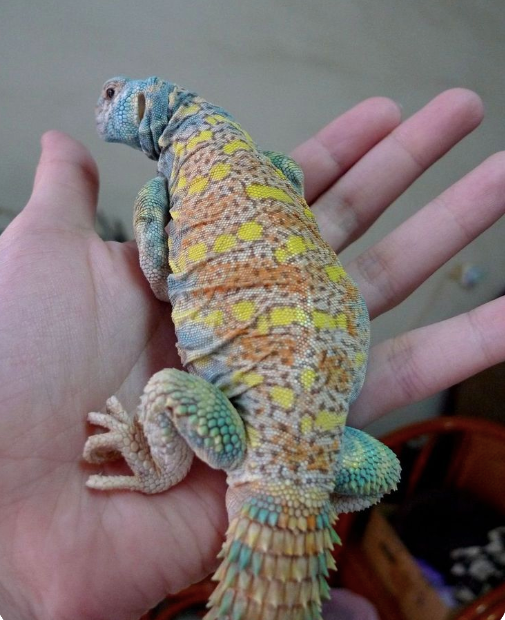
Ornate Uromastyx for Sale
Uromastyx ornataCaptive BredApproximately 6 – 8 Inches In Length From Head To TailAs Adults They Can Reach Up To 12 – 16 Inches In Overall LengthFeeding On Vitamin Dusted Greens, Sprouts, And Other Assorted Veggies Regularly
100 in stock
Geyri Uromastyx / Saharan Uromastyx (Uromastyx geyri)
Size: 11–16 inches
Lifespan: 15+ years
Price Range: $175–$600+ depending on color
Temperament: Generally calm, can become tame
Geyri Uromastyx — also called Saharan spiny-tailed lizards — come in two main color phases: red and yellow. The reds are the classics. The yellows are equally stunning. And then there are the high-color lines that can push prices into the hundreds or higher.
Captive bred geyri are less common than ornate, but they exist. You’ll see them listed as “high yellow” or “super red” or “high orange.” A long-term captive male might sell for around $175, while genuine captive bred babies from established lines can run $400–$600+. Rare color morphs like lavender albino can hit five figures.
Geyri are assessed as Near Threatened in the wild, which makes captive breeding especially important for this species.
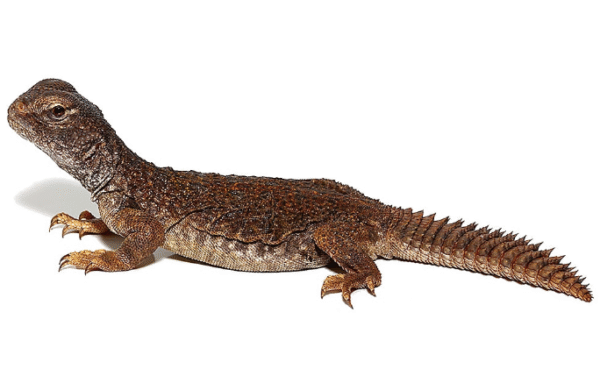
Moroccan Uromastyx for Sale
Uromastyx acanthinurusCaptive BredApproximate Length Of Babies 2 – 2.5 InchesThese Can Grow Up To 15 Inches In Total Length As AdultsFeeding On Vitamin Dusted Greens, Mixed Vegetables, Beans And Seeds
100 in stock
Egyptian Uromastyx (Uromastyx aegyptia)
Size: 18–30+ inches
Lifespan: 15–20 years
Price Range: $600+
Temperament: Calm but territorial
The Egyptian Uromastyx is the giant of the genus. These are big animals. A single adult needs an enclosure that’s at least 6 feet by 2 feet — bigger is better. They’re impressive, they’re long-lived, and they’re not for beginners.
Captive bred Egyptian Uromastyx are rare. One European retailer lists captive bred 2025 Egyptian Uromastyx at €624.99. In the US, they’re harder to find and often more expensive when they do appear.
If you have the space and the budget, they’re incredible animals. If you don’t, don’t.
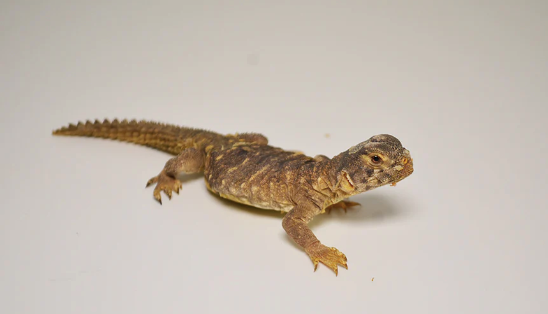
Egyptian Uromastyx for Sale
Uromastyx aegyptiaCaptive BredApproximately 4 – 6 Inches In LengthAs Adults The Egyptian Uromastyx Is One Of The Largest Of The Agamidae Coming In At 30 Inches And Can Weigh A Few PoundsFeeding On Vitamin Dusted Greens, Beans, Lentils And Spray Millet
100 in stock
Other Species You’ll See
Ocellated Uromastyx (Uromastyx ocellata) — Deep blues and greens, red and orange dorsal striping. CITES Appendix II, permits required for international trade.
Mali Uromastyx (Uromastyx dispar) — One of the more affordable species. Captive breeding is possible but requires animals over 10 inches and 5¼ ounces, which takes about three years.
Saudi Arabian Uromastyx (Uromastyx aegyptia microlepis) — Stunning blues. Mostly imported. Captive bred stock is very limited.
What to Look for When Buying Captive Bred Uromastyx
This is where most people get burned. A listing that says “captive bred” doesn’t always mean captive bred. And even when it does, not all captive bred animals are equal.
Here’s what I check before I buy:
1. The seller’s reputation. MorphMarket has a buyer protection system. Use it. Check the seller’s reviews, sales history, and how long they’ve been active. A seller with 40+ sales and a live arrival guarantee is a safer bet than someone with no history.
2. Hatch dates and parentage. A legitimate captive breeder knows when their animals hatched and who the parents are. If the seller can’t tell you, that’s a red flag. Captive bred Uromastyx are normally only available as hatchlings — if someone is selling “captive bred” adults, ask questions.
3. Photos of the actual animal. Not stock photos. Not photos of the parents. The animal you’re buying. If the seller won’t send current photos, walk away.
4. Feeding records. What has the animal been eating? How often? Is it gaining weight? A captive bred baby should be feeding consistently on greens, vegetables, and appropriate supplements.
5. Health indicators. Clear eyes. No discharge from nose or mouth. Firm stool. Active behavior. No stuck shed. No visible deformities. If you can’t inspect in person, ask for video.
6. Documentation. For CITES-listed species, maintaining records of captive breeding lineage, hatch dates, and parentage provides a paper trail that demonstrates legal origin. Ask for it.
The Setup You Need Before the Animal Arrives
Do not buy a Uromastyx and then figure out the enclosure. That’s how animals die.
Here’s the setup I use and recommend:
Enclosure Size
- Juveniles: Minimum 40-gallon terrarium, but bigger is better
- Adults (under 15 inches): Minimum 4 feet by 1.5 feet
- Adults (over 15 inches): Minimum 6 feet by 2 feet
- Egyptian Uromastyx: Minimum 150 liters, but realistically a 6x2x2 or larger
Bigger is always better. A larger enclosure is more forgiving of temperature mistakes and gives the animal room to thermoregulate properly.
Heating and Lighting
This is where Uromastyx keeping succeeds or fails.
- Basking spot: 115–120°F (some keepers go higher for Egyptian)
- Hot side ambient: 100–110°F
- Cool side ambient: 80–85°F
- Nighttime: 70–75°F
UVB lighting is essential. Uromastyx need UVB to process calcium. Without it, they develop metabolic bone disease. I use 10.0 UVB fluorescent lights and replace them every 6–12 months, even if they still glow.
Substrate
Deep substrate. At least 10–15 cm of sand-soil mix or coconut fiber. Uromastyx are burrowers. They need to dig. A shallow substrate causes stress and can lead to health problems.
Decor
- Rocks for basking and climbing
- Hides for security
- Branches for climbing
- A shallow water dish (they get most hydration from food)
Diet
Strictly herbivorous. Leafy greens, vegetables, and occasional flowers. Dandelion greens, collard greens, mustard greens, hibiscus flowers, nasturtium.
Juveniles eat daily. Adults eat 4–5 times per week. Calcium and mineral supplementation regularly.
Step-by-Step: Bringing Your Uromastyx Home
The day your Uromastyx arrives is stressful — for both of you. Here’s how I handle it.
Step 1: Set up the enclosure before the animal arrives. Lights on timers. Temperatures dialed in. Substrate in. Water dish filled. Everything ready.
Step 2: Inspect the animal on arrival. Check for signs of stress, injury, or illness. If the animal arrived via shipping, unpack carefully and place it directly into the enclosure. Minimal handling.
Step 3: Leave it alone. This is the hardest part. For the first week, do not handle your Uromastyx. Do not hover. Do not constantly check on it. Let it settle. Offer food. Change water. That’s it.
Step 4: Monitor eating and basking. A healthy Uromastyx will bask and eat within a few days. If it’s hiding constantly and not eating after a week, something is wrong.
Step 5: Start handling slowly. After the first week, short handling sessions. Five minutes. Then ten. Build trust. Uromastyx can become quite tame with patience, but they need to feel secure first.
Mistakes I Made Early On (And How to Avoid Them)
Mistake 1: Buying Wild-Caught Because It Was Cheaper
My first Uromastyx was a wild-caught import. I saved $150 upfront. I spent over $400 on vet bills in the first six months. The animal never thrived. It died within a year.
Fix: Buy captive bred. Pay the premium. You’ll save money and heartbreak in the long run.
Mistake 2: Underestimating the Heat Requirements
I started with a 100-watt basking bulb. My ornate Uromastyx was lethargic and wouldn’t eat. I couldn’t figure out why. Then I measured the basking spot: 95°F. Not 115. Not 120. Ninety-five.
Fix: Use a temperature gun. Measure the basking spot directly. If it’s not 115–120°F, fix it before you buy the animal.
Mistake 3: Using a Glass Aquarium with a Screen Top
Glass aquariums lose heat. Screen tops lose humidity and heat. I spent weeks chasing temperatures before I switched to a PVC enclosure with solid walls and proper ventilation.
Fix: PVC or wooden enclosures hold heat and humidity far better than glass. It’s worth the investment.
Mistake 4: Not Quarantining
I brought a new Uromastyx into the same room as my existing animals without quarantine. Nothing happened that time, but it could have. Parasites, disease, stress — all of it spreads.
Fix: Always quarantine new animals for at least 60–90 days in a separate room. Separate tools. Separate everything.
Mistake 5: Assuming “Captive Bred” Meant Healthy
Not every captive bred animal is healthy. Some breeders cut corners. Some sell animals too young. Some don’t provide proper UVB or diet to the parents, which affects the babies.
Fix: Buy from reputable breeders with transparent practices. Ask for feeding records, hatch dates, and parent photos. If they won’t provide them, buy elsewhere.
What to Do If Your Uromastyx Gets Sick
Uromastyx are hardy animals when kept correctly. When they get sick, it’s usually because something in the husbandry is off.
Common issues:
- Metabolic bone disease: Caused by lack of UVB or calcium. Soft jaw, tremors, difficulty walking. Needs immediate vet attention and husbandry correction.
- Respiratory infection: Wheezing, mucus, open-mouth breathing. Usually caused by low temperatures or high humidity. Needs vet care.
- Parasites: Weight loss despite eating, abnormal stool. Needs fecal testing and treatment.
- Dehydration: Sunken eyes, lethargy, wrinkled skin. Increase hydration through food and offer shallow water.
Find an exotics vet before you need one. Not every vet treats reptiles. Not every vet who says they treat reptiles actually knows Uromastyx.
If your animal is in crisis, get it to a qualified exotics vet immediately. Do not try to treat serious conditions at home.
Captive Bred vs. Wild-Caught: The Real Difference
| Captive Bred | Wild-Caught | |
|---|---|---|
| Parasite load | Low | High |
| Stress on arrival | Moderate | Severe |
| Diet adaptation | Already on captive diet | Often refuses food |
| Vet bills | Lower | Higher |
| Lifespan in captivity | Full | Often shortened |
| Legal documentation | Cleaner paper trail | CITES permits required |
| Price | Higher upfront | Lower upfront, higher total |
Captive bred animals are more likely to be free from parasites, accustomed to a captive diet, and less frightened by typical household activities. That’s not marketing. That’s experience.
Wild-caught animals can acclimate and thrive. Some do. But the odds are against you, especially as a newer keeper. Captive bred is the ethical choice and the practical choice.
Where to Buy Captive Bred Uromastyx
Here’s what’s currently available from reputable sellers:
| Species | Price | Origin | Notes |
|---|---|---|---|
| Ornate Uromastyx (baby/juvenile) | ~$350 | Captive Bred | Hatched Aug 2025, feeding well |
| Ornate Uromastyx (CB25) | ~£450 | Captive Bred | Babies/juveniles, unsexed |
| Egyptian Uromastyx (CB2025) | €624.99 | Captive Bred | Click and collect only |
| High Yellow Geyri (male) | ~$175 | Long-term captive | Eating well, friendly |
Availability changes constantly. Check MorphMarket, reputable breeder websites, and reptile expos. Ask questions. Verify everything.
Building Your Uromastyx Keeping Skills
Nobody starts out good at this.
When I got my first Uromastyx, I had no idea what I was doing. I’d kept other reptiles. I’d read care sheets. But Uromastyx are different. The heat requirements are extreme. The diet is strict. The burrowing need is real.
Here’s how I built my skills:
- I talked to other keepers. Not just read care sheets — actually talked to people who had kept Uromastyx for years.
- I invested in proper equipment. Temperature gun. UVB meter. Quality enclosure. The right tools make everything easier.
- I started with a hardy species. Geyri are more forgiving than ornate. Egyptian are not a beginner animal.
- I made mistakes and learned from them. The wild-caught mistake. The heat mistake. The glass aquarium mistake. Every one of them taught me something.
- I never stopped learning. Uromastyx husbandry is still evolving. New information comes out. I pay attention.
Final Thoughts on Captive Bred Uromastyx for Sale
Buying a Uromastyx is not like buying a bearded dragon. These are specialized animals with specialized needs. They need heat that most reptiles can’t handle. They need deep substrate. They need UVB. They need patience.
But if you do it right, they’re incredible. They’re active during the day. They’re personable. They live for decades. They’re living jewels that remind you every day why you got into this hobby.
Captive bred is the way. Wild-caught is a gamble that too often ends badly.
Do your research. Set up the enclosure first. Buy from a reputable breeder. And never stop learning.
Ready to add a Uromastyx to your collection?
Check current availability from reputable captive breeders. Verify the seller’s history. Ask for hatch dates and feeding records. And make sure your setup is dialed in before the animal arrives.
FAQs
What does “captive bred” mean for Uromastyx?
Captive bred means the animal was born and raised in captivity, not collected from the wild. Captive bred Uromastyx are generally healthier, have lower parasite loads, and adapt more easily to captive life than wild-caught imports.
How much does a captive bred Uromastyx cost?
Captive bred Uromastyx typically range from $250 to $900+, depending on species, age, color, and breeder reputation. Ornate Uromastyx babies often sell for around $350. Egyptian Uromastyx can exceed $600. Rare color morphs can cost thousands.
Are Uromastyx legal to keep?
Uromastyx are CITES Appendix II, which means international trade is regulated but not prohibited. Most U.S. states permit ownership without special permits, but some require them. Always check your local and federal laws before purchasing.
What size enclosure does a Uromastyx need?
Juveniles need at least a 40-gallon terrarium. Adults need a minimum of 4 feet by 1.5 feet, with larger being better. Egyptian Uromastyx need at least 6 feet by 2 feet.
What temperature does a Uromastyx need?
Basking spot: 115–120°F. Hot side ambient: 100–110°F. Cool side: 80–85°F. Nighttime: 70–75°F. UVB lighting is essential.
What do Uromastyx eat?
Uromastyx are strictly herbivorous. They eat leafy greens, vegetables, and occasional flowers. Dandelion greens, collard greens, mustard greens, hibiscus, and nasturtium are good staples.
How long do Uromastyx live?
With proper care, Uromastyx can live 15–20 years in captivity. Some individuals exceed 30 years.
Can I handle my Uromastyx?
Yes, with patience. Uromastyx can become quite tame with regular, gentle handling. Start slowly. Let the animal settle in first. Never grab or restrain.
What should I do if my Uromastyx stops eating?
Check your temperatures first. If the basking spot is too cool, the animal can’t digest food and will stop eating. If temperatures are correct and the animal still won’t eat, consult an exotics vet.
Where can I buy captive bred Uromastyx for sale?
Look for reputable breeders on MorphMarket, specialized reptile expos, or established breeder websites. Always verify the seller’s history, ask for hatch dates and feeding records, and confirm the animal is genuinely captive bred before purchasing.
Disclaimer: This article is based on personal experience with Uromastyx husbandry and captive breeding. It is not a substitute for professional veterinary advice or legal counsel. Uromastyx are CITES-listed animals. Check your local, state, and federal laws before purchasing. If your animal is sick, contact a qualified exotics veterinarian.