The first time my eyelash viper refused food, I panicked.
She had been eating perfectly for months. Then one week, she just… didn’t. I dangled the mouse. She stared at it. I tried again the next day. Nothing. By the third week, I was convinced she was dying.
I did everything wrong. I tried force-feeding (terrible idea). I changed her enclosure around (made it worse). I bought every type of prey I could find and offered them all at once (stressful for both of us).
Eventually, I figured it out. She was about to shed. That was it. Three weeks of stress over a natural process that I should have recognized immediately.
Since then, I’ve dealt with eyelash vipers refusing food for all kinds of reasons. Temperature issues, humidity problems, stress, seasonal changes, prey preferences. Each one has a fix, but first you have to identify the cause.
If your eyelash viper is refusing food, this guide covers the most common reasons and what actually worked for me.
How Long Can an Eyelash Viper Go Without Eating?
Before you start panicking, let’s talk about what’s normal.
Eyelash vipers are ambush predators with slow metabolisms. In the wild, they might go weeks or even months between meals. In captivity, a healthy adult can easily skip food for:
- 1-2 weeks — totally normal, especially around shed
- 3-4 weeks — worth monitoring, but not an emergency
- 5-8 weeks — concerning; check husbandry and consider a vet
- 8+ weeks — serious; something is wrong and needs immediate attention
Baby eyelash vipers are different. Neonates need to eat every 5-7 days to grow properly. A baby refusing food for more than two weeks is more urgent than an adult doing the same.
The key is to know YOUR snake. If they’re active, hydrated, and maintaining weight, a few skipped meals isn’t a crisis. If they’re losing weight, becoming lethargic, or showing signs of dehydration, that’s when you need to act fast.
Common Causes of Eyelash Viper Refusing Food
1. Pre-Shed Anorexia
This is the most common reason my eyelash vipers refuse food, and the one that freaked me out the first time.
Before a shed, many vipers stop eating. They might also become more reclusive, dull in color, and less active. This can last 1-3 weeks before the actual shed happens.
How to Fix It:
Wait. Don’t offer food during this time — it just stresses them out. Once they shed, offer a meal and they’ll usually take it immediately.
Signs It’s Shed-Related:
- Cloudy or bluish eyes
- Dull, washed-out colors
- Hiding more than usual
- Refusing food but otherwise acting normal
2. Incorrect Temperatures
Eyelash vipers need a specific temperature gradient to digest food properly. If the enclosure is too cold, their metabolism slows down and they won’t eat. If it’s too hot, they become stressed and lose appetite.
How to Fix It:
Check your temperatures with a digital thermometer. Basking spot should be 82-85°F, ambient temps 72-80°F, and night temps can drop to 68-72°F.
If temps are off, adjust your heating and monitor for a few days before offering food again.
3. Humidity Problems
Eyelash vipers are cloud forest snakes. They need high humidity to thrive. If humidity drops too low, they can become dehydrated, which suppresses appetite. If it’s too high without ventilation, they can develop respiratory issues that also kill appetite.
How to Fix It:
Target 70-85% humidity during the day. Mist twice daily, use moisture-retentive substrate, and make sure there’s proper ventilation.
4. Stress from Environment
Eyelash vipers are sensitive to their surroundings. If they feel exposed or insecure, they won’t eat. Common stressors include:
- Too much open space
- Not enough hiding spots
- Excessive handling or disturbance
- Loud noises or vibrations
- Recent enclosure changes
- Visible predators (cats, dogs, other snakes)
How to Fix It:
Provide plenty of cover — fake plants, cork bark, and branches. Give them at least one secure hiding spot where they feel completely hidden. Minimize handling and enclosure changes.
When I moved my Christmas Tree Eyelash Viper into a new setup, she refused food for two weeks. She just needed time to settle in. Once she felt secure, her appetite returned.
5. Prey Size or Type Issues
Sometimes the problem isn’t the snake — it’s the food. Eyelash vipers can be picky about prey size and type.
Common prey issues:
- Prey too large (intimidating)
- Prey too small (not worth the effort)
- Prey not warm enough
- Prey not moving naturally
- Switching from mice to rats (or vice versa)
How to Fix It:
Try offering a smaller prey item. If they’re on mice, stick with mice — don’t switch to rats unless you have a reason. Warm the prey thoroughly before offering. Use tongs to mimic natural movement.
I had one eyelash viper that refused adult mice but would eagerly take hoppers. She just preferred smaller prey. Eventually she transitioned to adults, but it took months of gradual sizing up.
6. Seasonal Changes
In the wild, eyelash vipers experience seasonal fluctuations in temperature, humidity, and prey availability. In captivity, they can still respond to these cycles even if conditions are stable.
Common seasonal patterns:
- Reduced appetite in winter
- Increased appetite in spring and summer
- Breeding season changes in males (they often stop eating during mating)
How to Fix It:
If it’s seasonal, just wait it out. Keep monitoring weight and hydration. Offer food on a regular schedule, but don’t stress if they refuse.
My male eyelash viper goes off food every winter like clockwork. From November to February, he’ll eat maybe once a month. Then spring hits and he’s ravenous again.
7. Underlying Health Issues
If you’ve ruled out everything above and your eyelash viper is still refusing food, there might be a health problem.
Signs of health issues:
- Weight loss
- Lethargy
- Visible parasites
- Respiratory symptoms (wheezing, bubbles from nose)
- Regurgitation
- Abnormal stool
How to Fix It:
This requires a vet — specifically one who treats venomous reptiles. Don’t try to diagnose and treat at home. If you suspect illness, get professional help immediately.
My Process for Dealing with Eyelash Viper Refusing Food
Here’s the exact process I follow when one of my vipers refuses a meal:
Week 1: Don’t Panic
One missed meal is nothing. Make note of it and continue with your normal routine. Check temperatures and humidity, but don’t make any changes yet.
Week 2: Check for Shed
Look for signs of pre-shed — cloudy eyes, dull colors, hiding more. If they’re about to shed, skip feeding attempts until after the shed is complete.
Week 3: Evaluate Husbandry
Now it’s time to check everything:
- Temperature gradient
- Humidity levels
- Enclosure security
- Water availability
- Recent changes
Make adjustments if anything is off.
Week 4: Try Different Prey
Offer a slightly smaller prey item. Try warming it more thoroughly. Try feeding at a different time of day (some vipers prefer evening).
Week 5: Consider a Vet
If they’re still refusing and showing signs of weight loss or illness, find a vet who treats venomous reptiles. Don’t wait until they’re visibly sick.
What NOT to Do When Your Eyelash Viper Refuses Food
I’ve made all these mistakes. Learn from me.
DON’T Force-Feed
Force-feeding a venomous snake is dangerous for both you and the snake. You risk injury, aspiration, and extreme stress. This should only be done by a professional as a last resort.
DON’T Offer Food Every Day
Offering food too frequently just stresses your snake. Wait 3-5 days between attempts.
DON’T Rearrange the Enclosure
When a snake refuses food, your instinct might be to change everything. Don’t. Rearranging the enclosure adds stress and makes the problem worse.
DON’T Try to Hand-Feed
This is how you get bitten. Always use tongs. Always.
DON’T Assume It’s Parasites
Wild-caught snakes often have parasites, but captive bred eyelash vipers rarely do. Don’t treat for parasites without a vet diagnosis.
When to Actually Worry
Here’s my threshold for concern:
Act Immediately If:
- Your snake is visibly losing weight
- They’re showing signs of dehydration (sunken eyes, wrinkled skin)
- They’re lethargic or unresponsive
- They’re showing respiratory symptoms
- They haven’t eaten in 8+ weeks (adult) or 2+ weeks (neonate)
Wait and Monitor If:
- It’s been 2-4 weeks since their last meal
- They’re about to shed or recently shed
- It’s winter and they normally slow down
- They recently moved to a new enclosure
- They’re active and maintaining weight
The Golden Eyelash Viper: Same Species, Same Feeding Habits
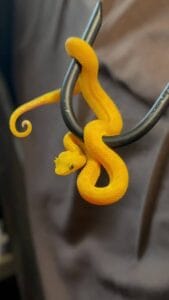
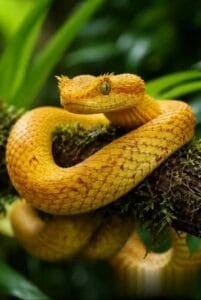
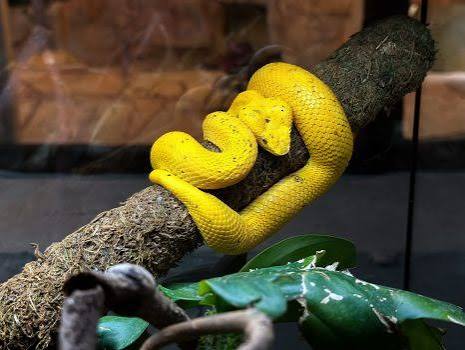
If you’re considering adding an eyelash viper to your collection, know that all morphs have similar feeding behaviors. The Christmas Tree Eyelash Viper and Golden Eyelash Viper both come from the same species and can be equally picky — or equally voracious.
What matters most is that you start with a healthy, established animal. That’s why captive bred is so important.
Here’s what’s currently available at nightfallreptiles.com:
| Morph | Price | Feeding Status |
|---|---|---|
| Christmas Tree Eyelash Viper | $510 | Eating frozen-thawed |
| Golden Eyelash Viper | $510 | Eating frozen-thawed |
Both are captive bred, established, and shipping nationwide to legal states.
Christmas Tree Eyelash Viper – $510 – Captive Bred – Nightfall Reptiles
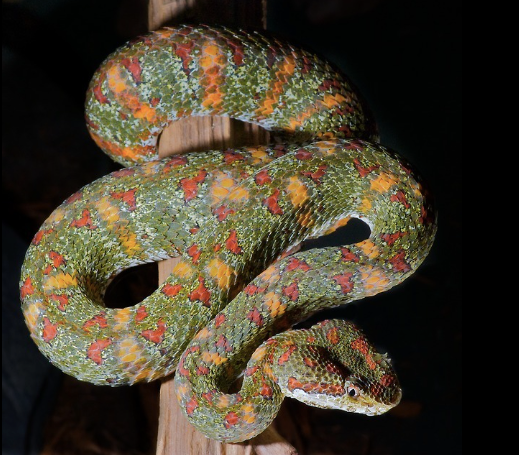
Christmas Tree Eyelash Viper For Sale
Bothriechis schlegeliiCaptive BredMale and Female AvailableApproximately 18 – 24 Inches In LengthAdults Will Grow To About 2 Feet In LengthFeeding On Frozen Thawed Or Live Adult Mice*These Are Venomous. Please Know Your State Laws Before Inquiring As Some States Require Venomous Permits*
100 in stock
Golden Eyelash Viper – $510 – Captive Bred – Nightfall Reptiles
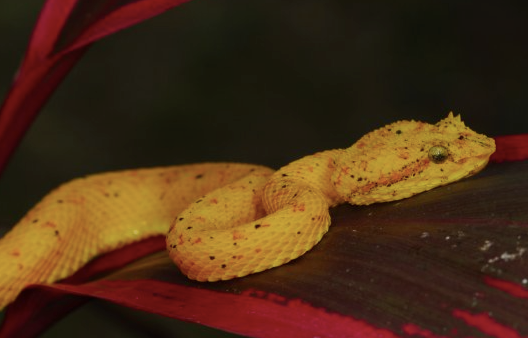
Golden Eyelash Viper For Sale
Bothriechis schlegeliiCaptive BredApproximately 18 – 24 Inches In LengthAdults Will Grow To About 2 Feet In LengthFeeding On Frozen Thawed Or Live Adult Mice*These Are Venomous. Please Know Your State Laws Before Inquiring As Some States Require Venomous Permits*
100 in stock
Starting with an established feeder makes the “refusing food” phase much less likely — and much less stressful when it does happen.
Final Thoughts on Eyelash Viper Refusing Food
An eyelash viper refusing food is stressful, but it’s rarely an emergency. In most cases, it’s related to shed, stress, or environmental factors that you can fix with patience and careful observation.
The key is knowing your snake. Pay attention to their normal behavior, their feeding schedule, and their body condition. When something changes, you’ll notice it early — and early intervention is always better than waiting.
And when in doubt, find a vet who knows venomous reptiles. It’s worth the effort to have one lined up before you need them.
I’ve been keeping eyelash vipers for five years now, and I still get a little anxious when one skips a meal. But I’ve learned to trust the process. Check husbandry, be patient, and don’t overreact.
Your snake will probably eat when they’re ready.
Ready to add an eyelash viper to your collection?
Check out the Christmas Tree Eyelash Viper and Golden Eyelash Viper available now at nightfallreptiles.com. Both are captive bred, established feeders, and shipping nationwide.
Got questions about eyelash viper feeding or these specific animals? Drop a comment below or hit us up — I’m always down to help fellow keepers.
FAQs
How long can an eyelash viper go without eating?
A healthy adult eyelash viper can go 4-8 weeks without eating, especially during shed or seasonal changes. Neonates should eat every 5-7 days.
Why won’t my eyelash viper eat?
Common causes include pre-shed anorexia, incorrect temperatures, humidity problems, stress, prey size issues, seasonal changes, and underlying health problems.
Is it normal for eyelash vipers to stop eating before shed?
Yes. Many eyelash vipers refuse food for 1-3 weeks before shedding. This is completely normal.
What should I do if my eyelash viper won’t eat?
Check husbandry first (temperature, humidity, security). Look for signs of shed. Try different prey sizes. If they’re losing weight or showing signs of illness, contact a vet.
Can I force-feed my eyelash viper?
No. Force-feeding is dangerous and stressful. It should only be done by a professional as a last resort.
Do Golden and Christmas Tree Eyelash Vipers have different feeding habits?
No. All eyelash viper morphs are the same species (Bothriechis schlegelii) and have similar feeding behaviors.
Disclaimer: This article is based on my personal experience with eyelash vipers refusing food. It is not a substitute for professional veterinary advice. Always consult a qualified reptile veterinarian for health concerns. Venomous snake keeping is regulated in many areas — check your local laws before purchasing.